Top 5 Futuristic Tech Accessories to Consider in 2026
A design-aware guide to futuristic tech accessories in 2026, including smart rings, open-ear audio jewelry, AI glasses, and modular city gear.

Top 5 Futuristic Tech Accessories to Consider in 2026
As of July 2026, the strongest futuristic tech accessories are the ones that feel wearable, discreet, and visually intentional: smart rings, open-ear audio jewelry, AI glasses, modular city accessories, and sculptural tech gifts. The best choices combine real daily function with a design language that fits cyber-futurist, techwear, or luxury street styling.
This is not a generic gadget list. A power bank may be useful, but it rarely changes an outfit. For a style-led buyer, the more interesting question is: which tech objects can be worn, photographed, gifted, and used without looking like ordinary consumer electronics?
For the aesthetic language behind many of these products, read what Y3K aesthetic means.
How We Chose
This guide evaluates futuristic tech accessories through both function and fashion. A product category has to do more than look shiny. It needs to earn its place on the body or in a daily carry system.
| Criterion | Why It Matters |
|---|---|
| Wearability | The accessory should work on the body, not only on a desk. |
| Visual identity | It should contribute to an outfit, gift moment, or personal style. |
| Daily function | It needs a clear job: audio, wellness tracking, capture, storage, communication, or safety. |
| Comfort and fit | Rings, glasses, and earwear fail quickly if they create pressure or sizing problems. |
| Ecosystem cost | Subscriptions, app lock-in, and phone compatibility can change the value. |
| Social context | Cameras, microphones, and sensors need privacy awareness. |
Quick Picks
| Category | Best For | Main Tradeoff | Fashion Angle |
|---|---|---|---|
| Smart rings | Wellness tracking without a smartwatch | Sizing, subscription, and limited screenless features | Minimal jewelry, titanium, clean hand styling |
| Open-ear audio jewelry | City walks, glasses wearers, fashion-first audio | Less isolation and bass than sealed earbuds | Ear-cuff silhouette and visible hardware |
| AI smart glasses | Hands-free capture, AI assistant features, audio | Privacy, battery, and ecosystem concerns | Familiar eyewear with hidden tech |
| Modular city accessories | Commuting, travel, techwear outfits | Can look overbuilt if layered too heavily | Urban utility, lanyards, carabiners, technical bags |
| Sculptural tech gifts | Creative professionals and design-led gifting | Higher price for aesthetic value | Object-like, collectible, display-worthy |
1. Smart Rings
Best for
People who want wellness tracking in a form factor that looks more like jewelry than a fitness device.
Why it fits
Smart rings are one of the clearest examples of wearable tech becoming more fashion-compatible. They sit on the hand, avoid the visual bulk of a smartwatch, and can be styled with silver jewelry, black tailoring, techwear, or formalwear.
The strongest smart-ring examples in current third-party coverage include Oura, Samsung Galaxy Ring, RingConn, Ultrahuman, and Amazfit. Reviewers tend to evaluate them around sleep tracking, wellness data, battery life, app experience, comfort, and subscription cost.
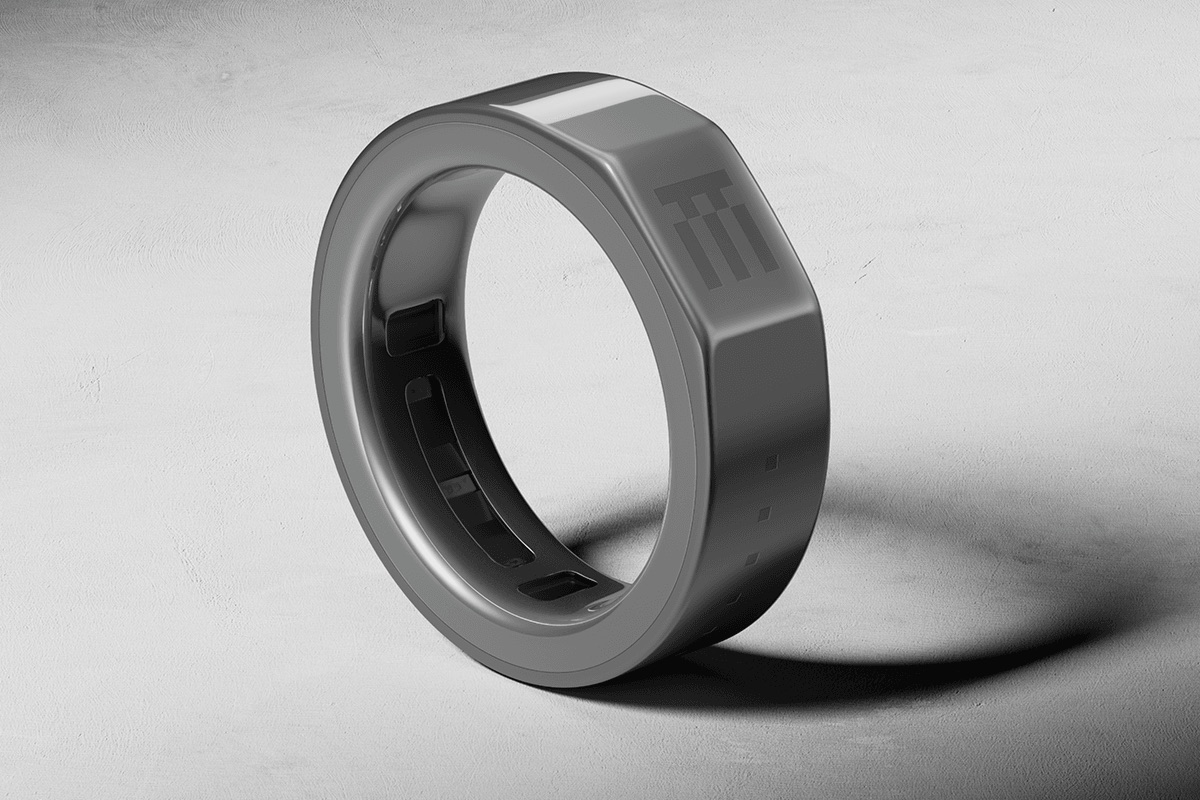
From a style point of view, the key detail is finish. Titanium, polished black, brushed silver, and rounded edges help a smart ring read as jewelry rather than a sensor strapped to the body. That makes smart rings especially useful for buyers who want luxury tech accessories that do not interrupt an outfit.
Who should skip it
Skip a smart ring if you need smartwatch features such as a display, calls, GPS, rich notifications, or workout coaching on the wrist. Smart rings are better for passive wellness tracking than active screen-based interaction.
2. Open-Ear Audio Jewelry
Best for
City walkers, glasses wearers, style-led audio users, and anyone who wants earwear that looks more intentional than ordinary earbuds.
Why it fits
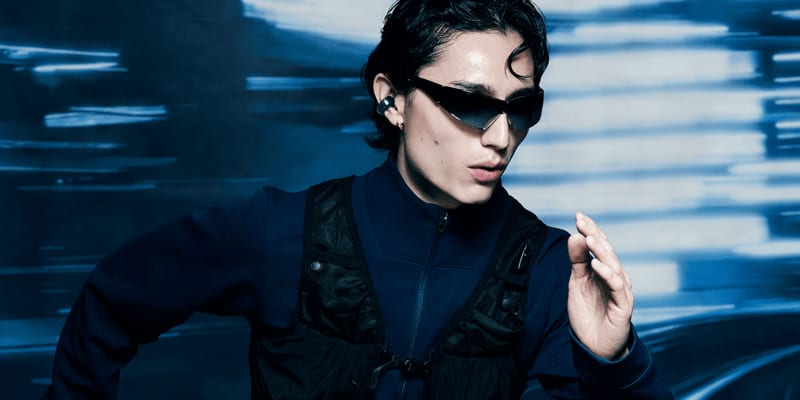
Open-ear audio is where fashion-tech gets especially interesting. Clip-on and cuff-style designs move audio hardware out of the invisible in-ear category and into visible ear styling. The product can frame the face, echo metal jewelry, and still serve a daily function.
Bose Ultra Open Earbuds are a major reference point for this category because of their clip-on open-ear design, multipoint connectivity, IPX4 water resistance, and up-to-7-hour playback claim from Bose. RTINGS highlights the same broad category tradeoff: the design supports awareness and comfort, but it does not isolate noise or deliver the same low-end weight as sealed earbuds.
Shokz OpenDots 2 are another current example of premium clip-on open-ear audio. TechRadar’s review notes a jewelry-like, glasses-friendly form factor, IP55 rating, Bluetooth 6.1 multipoint, and longer battery claims than many open-ear competitors.
From a fashion perspective, open-ear audio jewelry is strongest when the design looks like it belongs in the outfit. Silver, gunmetal, black, pearl, transparent, or metallic colorways can connect the device to rings, glasses, hardware, and cyber Y2K styling.
Who should skip it
Skip open-ear audio if you need noise cancellation, flight isolation, subway focus, or deep bass. Open-ear designs are strongest for awareness, comfort, and visible style, not sonic isolation.
For styling details, see how to style cyberpunk ear cuffs and open-ear audio jewelry for city walks.
3. AI Smart Glasses
Best for
People who want hands-free capture, audio, and AI assistant features in an eyewear form factor that still looks socially wearable.
Why it fits
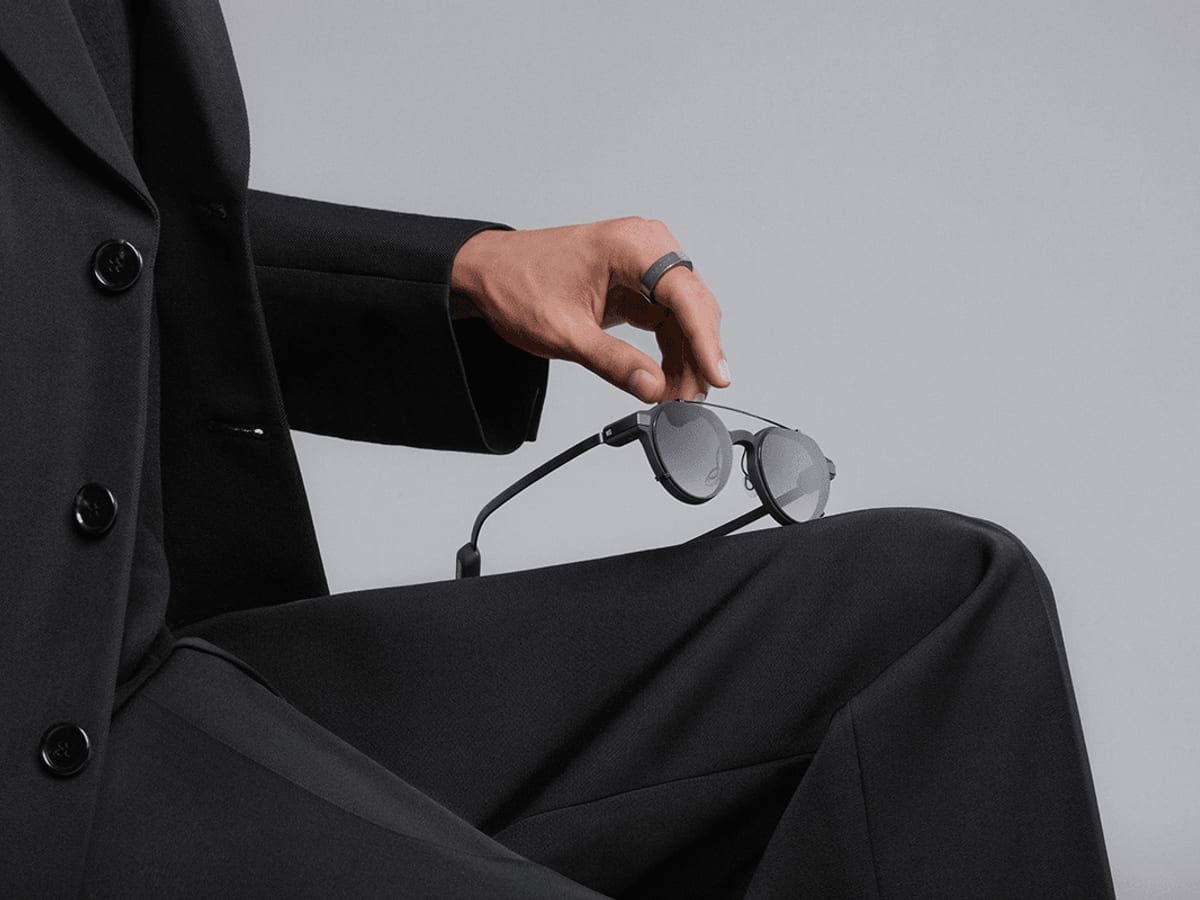
AI glasses have become more compelling because many models are moving toward restraint. Instead of looking like bulky sci-fi goggles, the strongest consumer designs try to look like familiar optical or sunglass frames with cameras, microphones, speakers, and assistant features integrated into the structure.
Ray-Ban Meta is the obvious mainstream reference because it combines iconic eyewear styling with camera, open-ear audio, and Meta AI positioning. Category analysis in 2026 also points toward prescription-forward options, adjustable fit, and more frame variety as important adoption factors.
The fashion angle is clear: glasses already sit in the middle of the face. If the tech layer can disappear into a frame someone would wear anyway, AI glasses become less “gadget” and more identity object.
Who should skip it
Skip AI glasses if you are uncomfortable with camera/microphone privacy concerns, if you need all-day battery for heavy capture, or if your prescription and fit needs are not well supported by the available frame options.
4. Modular City Accessories
Best for
Techwear fans, commuters, digital nomads, and people who want everyday carry to look intentional instead of purely practical.
Why it fits
Urban technical fashion has moved beyond mountain gear. The current direction is city mobility: commuting, walking, cycling, carrying devices, finding keys, staying visible, and keeping hands free.
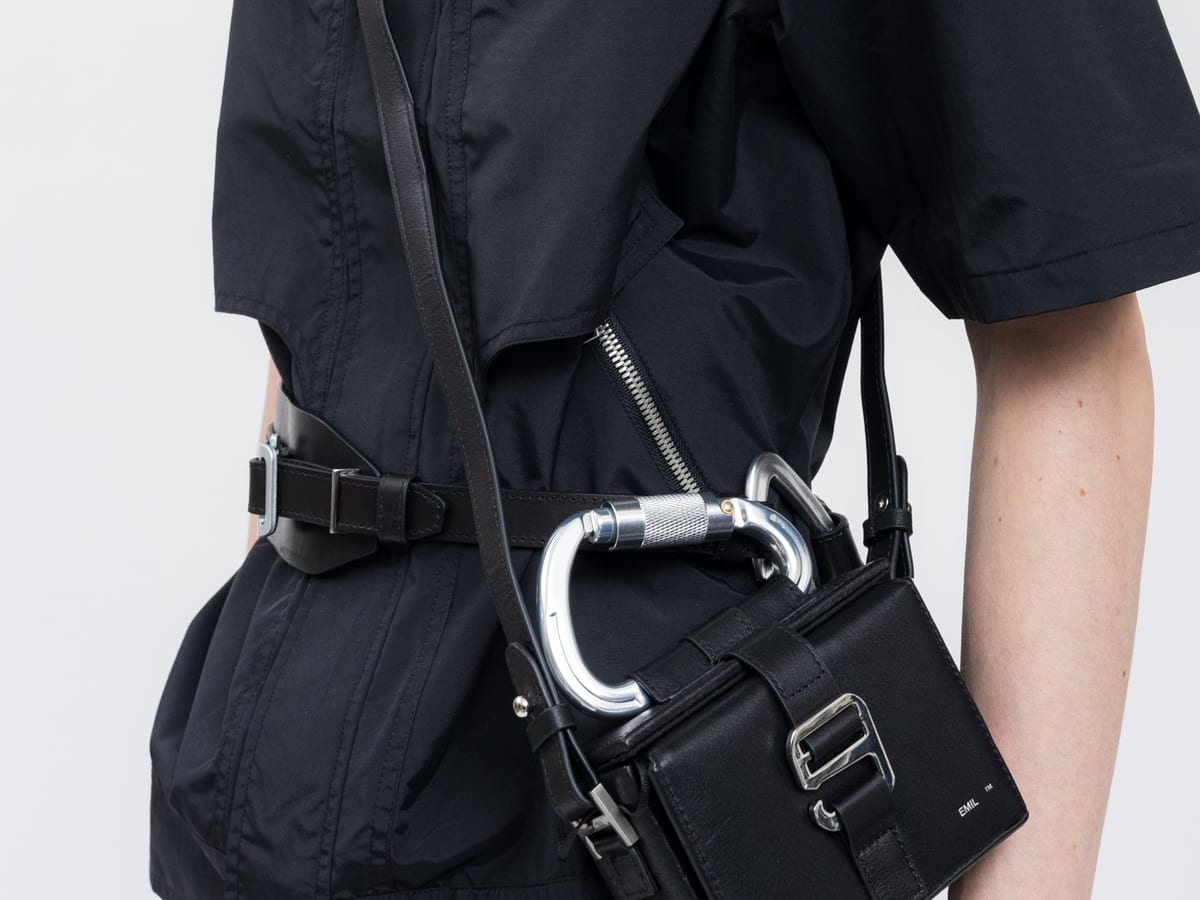
Modular accessories can include:
- Technical crossbody bags.
- Laptop-ready backpacks.
- Lanyards for keys, cards, or glasses.
- Carabiners and detachable pouches.
- Reflective details.
- Compact cases for earbuds, smart glasses, rings, and cables.
The point is not to attach everything possible to your body. The point is to make daily movement easier while adding a technical visual language. A single carabiner, a compact utility pouch, or a clean lanyard can do more for an outfit than five random straps.
Who should skip it
Skip heavy modular styling if your wardrobe is mostly formal, minimal, or delicate. Too much visible utility can make an outfit look overbuilt. Keep one visible function per accessory.
5. Sculptural Tech Gifts
Best for
Gift buyers shopping for architects, industrial designers, creative directors, stylists, electronic musicians, cyberpunk fans, or people who dislike ordinary gadgets.
Why it fits
Sculptural tech gifts sit between product design and personal accessory. The value is not only the feature list. It is the object quality: how it opens, charges, catches light, sits on a desk, appears in a mirror selfie, and feels when worn.
Good gift directions include:
- A titanium smart ring for someone who likes minimal jewelry.
- Open-ear audio jewelry for a fashion blogger, DJ, stylist, or city walker.
- AI glasses for someone who records hands-free moments and already wears eyewear.
- A brutalist charging dock or sculptural case for an industrial design fan.
- Metallic pink, chrome, liquid silver, or transparent accessories for a cyber Y2K dresser.
This category matters because many futuristic tech gifts fail by looking too generic. If the recipient is visually sensitive, the design language is part of the gift.
Who should skip it
Skip sculptural tech gifts if the recipient cares only about maximum performance per dollar. Design-led accessories often carry aesthetic value that will not show up in a spec sheet.
How to Choose: Fashion Value vs Function Value
Before buying, decide whether the accessory needs to lead with function, fashion, or both.
If function matters most, prioritize battery, comfort, repair support, warranty, app quality, and ecosystem compatibility. If fashion matters most, prioritize silhouette, material, finish, scale, and how the object looks next to your face, hands, or clothing.
The best futuristic wearable tech sits in the middle. It should be useful enough to carry daily and beautiful enough to be seen.
Use this quick decision guide:
| Buyer Type | Best Starting Category | Reason |
|---|---|---|
| Wellness minimalist | Smart ring | Tracks passively and looks like jewelry |
| City walker | Open-ear audio jewelry | Supports awareness and face-level styling |
| Content creator | AI smart glasses | Enables hands-free capture |
| Techwear dresser | Modular city accessory | Connects utility with outfit structure |
| Gift shopper | Sculptural tech gift | Feels more personal than a generic gadget |
What to Verify Before Buying
Because futuristic tech accessories change quickly, verify the following before purchase:
- Current product generation.
- Battery life claims.
- Water-resistance rating.
- Subscription requirements.
- Phone compatibility.
- App availability in your region.
- Return policy and warranty.
- Fit kit, sizing kit, or try-on options.
- Privacy controls for cameras and microphones.
For shoppers who want an accessory that looks like jewelry but works like audio hardware, explore sculptural open-ear earwear as a bridge between futuristic styling and everyday utility.
FAQ
What are futuristic tech accessories?
Futuristic tech accessories are wearable or daily-carry objects that combine practical technology with a future-facing design language. Examples include smart rings, AI glasses, open-ear audio jewelry, modular bags, and sculptural charging accessories.
What is the best futuristic tech accessory in 2026?
There is no single best choice for everyone. Smart rings are best for discreet wellness tracking, open-ear audio jewelry is best for city walking and visible style, and AI glasses are best for hands-free capture and assistant features.
Are smart rings better than smartwatches?
Smart rings are better if you want passive wellness tracking without a screen on your wrist. Smartwatches are better if you need GPS, calls, notifications, workout controls, and real-time interaction.
Are open-ear earbuds worth it?
Open-ear earbuds are worth considering if you value ambient awareness, comfort, and a visible earwear silhouette. They are less suitable if you need noise cancellation, heavy bass, or isolation in loud places.
Are AI glasses safe to wear in public?
AI glasses can be worn in public, but privacy context matters. Look for clear recording indicators, understand local expectations, and avoid recording people in sensitive settings without consent.
What tech gift should I buy for a designer?
For a designer, prioritize material, form, and object quality. A titanium smart ring, sculptural open-ear audio piece, design-led charging dock, or restrained AI eyewear frame may feel more thoughtful than a generic gadget.
What makes a tech accessory look luxury?
Luxury tech accessories usually rely on material restraint, clean proportions, precise finish, tactile packaging, and visual compatibility with jewelry or fashion. The design should look intentional even when the device is turned off.
References
- Best smart ring 2026 - TechRadar
- 3 Best Smart Ring Brands - Wired
- Bose Ultra Open Earbuds - Bose
- Bose Ultra Open Earbuds in RTINGS open-ear ranking
- Shokz OpenDots 2 review - TechRadar
- Ray-Ban Meta AI Glasses - Meta
- Every Smart Glasses Design Tells You Who They’re Chasing - The Gadgeteer
- Galaxy Ring - Samsung
- Oura Ring 4 - Oura